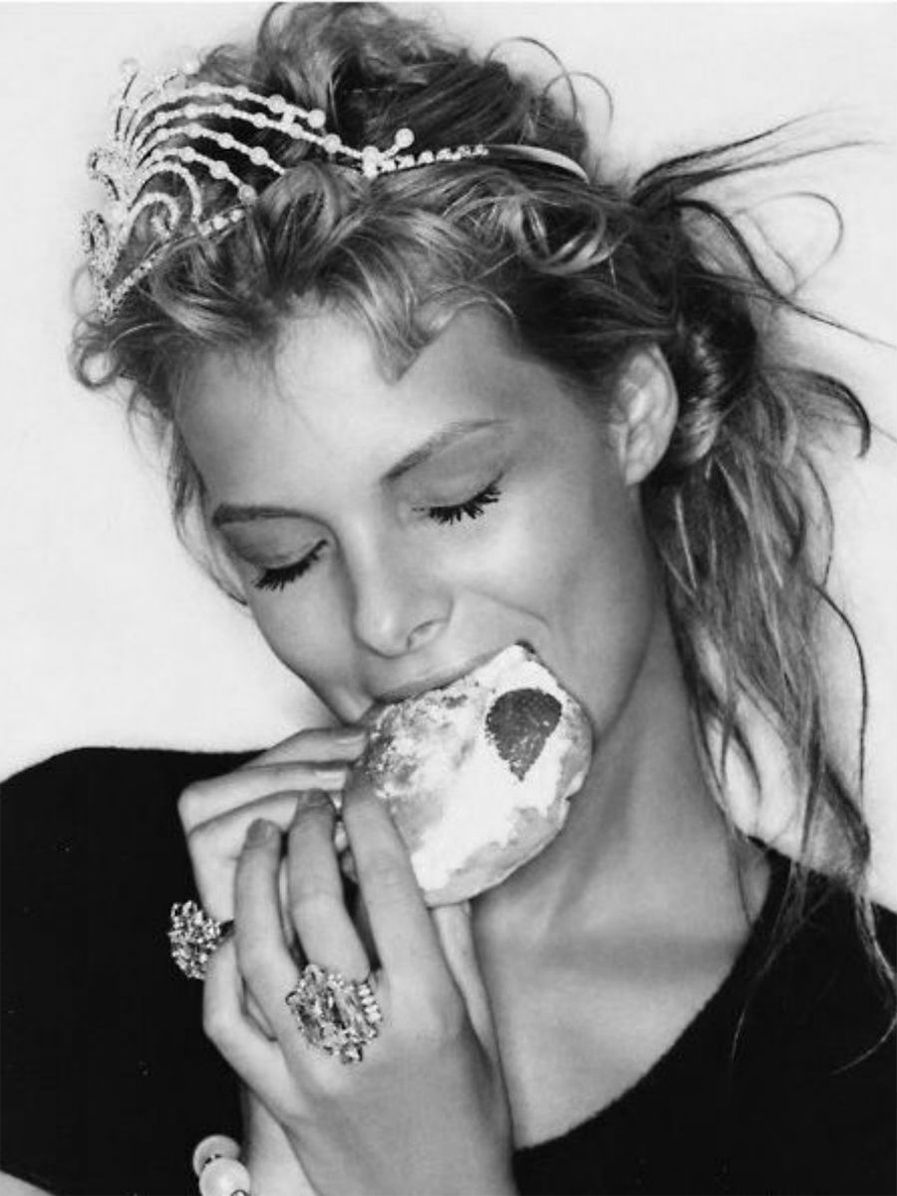
Buns and fashion — at first glance, thrown in the direction of fragile and refined mannequins — are absolutely incompatible things. However, LVMH Moët Hennessy Louis Vuitton does not think so. The king of luxury found it simply necessary to complement its portfolio of fashion brands, literally, with a cherry on top — the famous Café Cova patisserie on Via Montenapoleone, 8 in Milan - the most expensive and fashionable area of the capital of world fashion. The problem was that LVMH had the same idea as another fashion giant, Prada, which was also negotiating to acquire the same bakery.
Café Cova
Café Cova
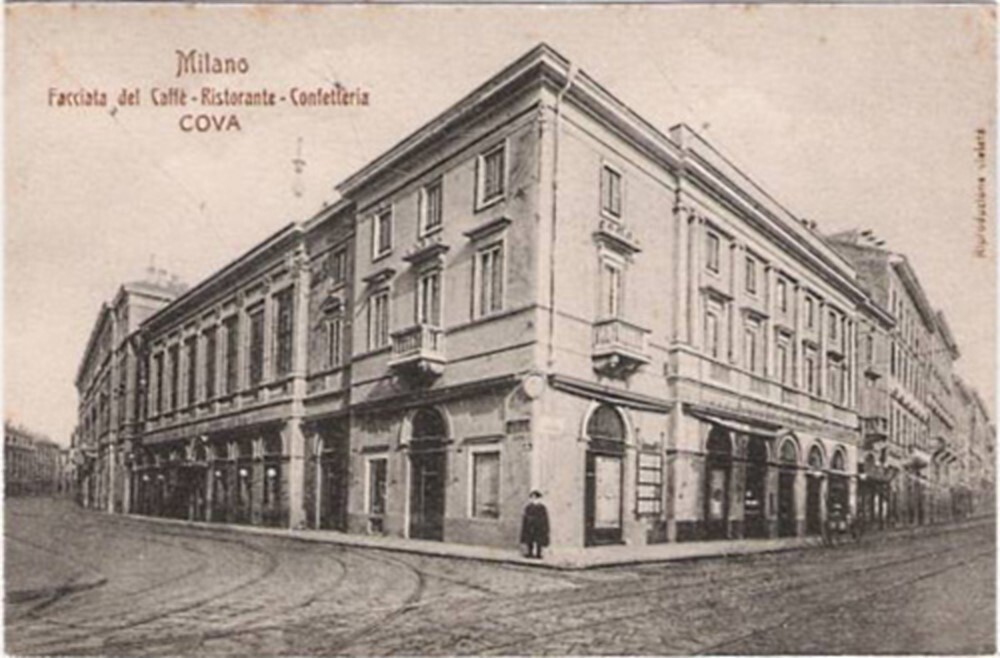
The first Café Cova is located near the La Scala Theatre
Café Cova is one of the oldest establishments in Milan, famous for its desserts and the secret recipe for the Italian (Christmas) panettone cake. It was opened in 1817 by Antonio Cova, a soldier in Napoleon's army, and has been serving the demanding aristocratic public, as well as fashion designers, models, and writers (including Hemingway), for over two centuries. At first, the Cova pastry shop was located near the world-famous La Scala Theatre, and in the 1950s it moved to the "Golden Quadrilateral" of Milan — the central district of the city, where the most prestigious shopping streets intersect: Via Montenapoleone, Via Sant'Andrea, Via della Spiga and Via Borgospesso. Here are located boutiques of such world-famous brands as Dolce & Gabbana, Jimmy Choo, Prada, Versace, Chanel and many others.
Café Cova is one of the oldest establishments in Milan, famous for its desserts and the secret recipe for the Italian (Christmas) panettone cake. It was opened in 1817 by Antonio Cova, a soldier in Napoleon's army, and has been serving the demanding aristocratic public, as well as fashion designers, models, and writers (including Hemingway), for over two centuries. At first, the Cova pastry shop was located near the world-famous La Scala Theatre, and in the 1950s it moved to the "Golden Quadrilateral" of Milan — the central district of the city, where the most prestigious shopping streets intersect: Via Montenapoleone, Via Sant'Andrea, Via della Spiga and Via Borgospesso. Here are located boutiques of such world-famous brands as Dolce & Gabbana, Jimmy Choo, Prada, Versace, Chanel and many others.
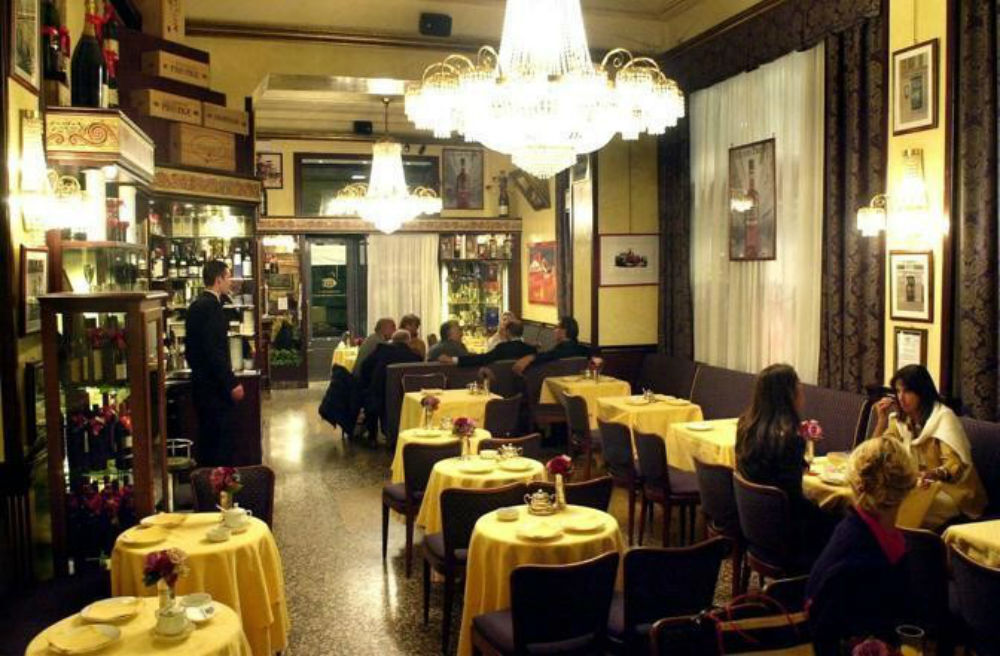
Café Cova's interior today
In June 2013, LVMH acquired a controlling stake (80%) in Pasticceria Confetteria Cova Srl, which owns the rights to the Cova brand, as well as the company itself, Cova Montenapoleone Srl, which manages the famous coffee shop. Previously, the entire Cova confectionery business was owned by the Italian family Faccioli. But after the death of the father, the sisters, Daniela and Paola, decided to sell his share, leaving only 20% for themselves.
Prada was dissatisfied with the sisters' choice of buyer, but refused to accept defeat. Prada decided to file a lawsuit against the former owners of the cafe in the Milan City Court (Tribunale di Milano) to have the brand's shares seized, as it believed that it had reached binding agreements with the Faccioli family before the deal with LVMH was finalized. Despite the fact that Prada was represented in this dispute by the well-known law firm BonelliErede, it was not possible to prove that the Faccioli family had any obligations to Prada.
According to press reports, the acquisition of Café Cova cost LVMH 33 million euros. However, it was not the financial terms that played a crucial role. It is said that LVMH provided the highest guarantees and assurances regarding the preservation of the brand's traditions, as well as the historical appearance and status of the renowned pastry shop in the center of Milan. On the other hand, Prada intended to expand its boutique by taking over one of the pastry shop's windows and relocating the entrance from Via Montenapoleone to via Sant'Andrea, which was unacceptable to the previous owners.
After losing the first round, Prada, not one to give up, eventually acquired the coffee shop on Via Montenapoleone, but under another classic Italian brand, Pasticceria Marchesi.
Pasticceria Marchesi
In June 2013, LVMH acquired a controlling stake (80%) in Pasticceria Confetteria Cova Srl, which owns the rights to the Cova brand, as well as the company itself, Cova Montenapoleone Srl, which manages the famous coffee shop. Previously, the entire Cova confectionery business was owned by the Italian family Faccioli. But after the death of the father, the sisters, Daniela and Paola, decided to sell his share, leaving only 20% for themselves.
Prada was dissatisfied with the sisters' choice of buyer, but refused to accept defeat. Prada decided to file a lawsuit against the former owners of the cafe in the Milan City Court (Tribunale di Milano) to have the brand's shares seized, as it believed that it had reached binding agreements with the Faccioli family before the deal with LVMH was finalized. Despite the fact that Prada was represented in this dispute by the well-known law firm BonelliErede, it was not possible to prove that the Faccioli family had any obligations to Prada.
According to press reports, the acquisition of Café Cova cost LVMH 33 million euros. However, it was not the financial terms that played a crucial role. It is said that LVMH provided the highest guarantees and assurances regarding the preservation of the brand's traditions, as well as the historical appearance and status of the renowned pastry shop in the center of Milan. On the other hand, Prada intended to expand its boutique by taking over one of the pastry shop's windows and relocating the entrance from Via Montenapoleone to via Sant'Andrea, which was unacceptable to the previous owners.
After losing the first round, Prada, not one to give up, eventually acquired the coffee shop on Via Montenapoleone, but under another classic Italian brand, Pasticceria Marchesi.
Pasticceria Marchesi
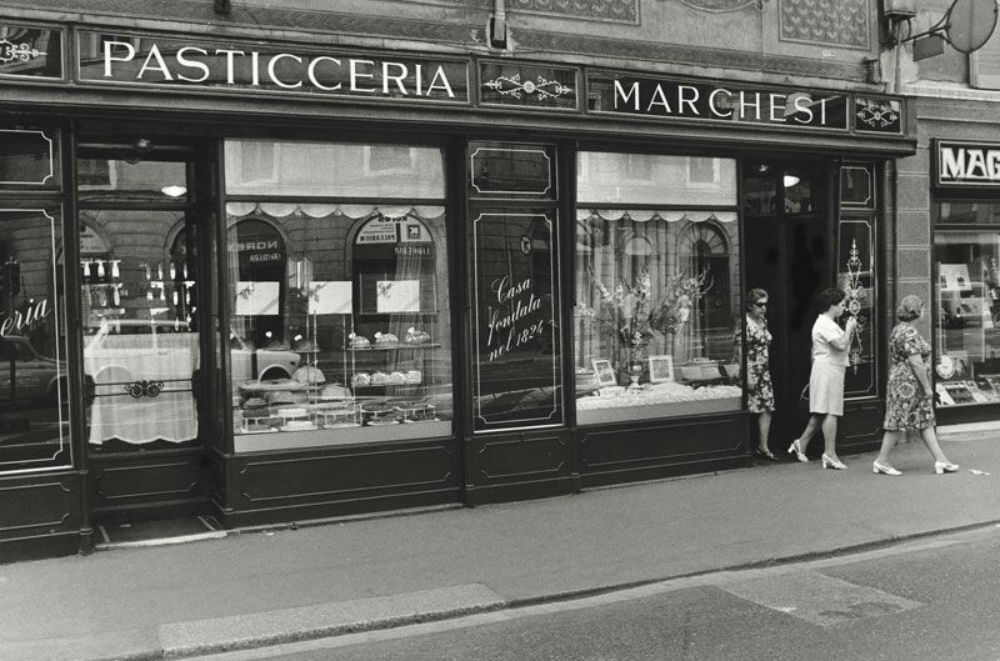
Pasticceria Marchesi at via Santa Maria alla Porta
The Pasticceria Marchesi was founded by Angelo Marchesi in 1824 on Via Santa Maria alla Porta, 11/a, where it is still under the management of the founder's family. The elegant cafe quickly gained a well-deserved popularity and acquired the status of one of the symbols of Milan. Today, Pasticceria Marchesi is an iconic pastry shop that is renowned worldwide for its fresh pastries, panettone, marmalade, and cakes, as well as its famous handmade chocolate.
In March 2014, Prada acquired an 80% stake in Angelo Marchesi Srl, the company that manages the historic cafe. As in the case of Café Cova, the former owner — the great-grandson of the founder, Angelo Marchesi, who remained the owner of 20% of the family business — will be responsible for preserving the traditions and style of the establishment.
Already a year later, in September 2015, Prada opened a second cafe under the name of Pasticceria Marchesi at Montenapoleone, 9 — just a couple of steps from Café Cova. And already in September 2016, the grand opening of the third pastry shop took place — in the Gallery of Vittorio Emmanuele II.
Therefore, based on the number of open cafes, we can say that Prada won the second round by points.
The Pasticceria Marchesi was founded by Angelo Marchesi in 1824 on Via Santa Maria alla Porta, 11/a, where it is still under the management of the founder's family. The elegant cafe quickly gained a well-deserved popularity and acquired the status of one of the symbols of Milan. Today, Pasticceria Marchesi is an iconic pastry shop that is renowned worldwide for its fresh pastries, panettone, marmalade, and cakes, as well as its famous handmade chocolate.
In March 2014, Prada acquired an 80% stake in Angelo Marchesi Srl, the company that manages the historic cafe. As in the case of Café Cova, the former owner — the great-grandson of the founder, Angelo Marchesi, who remained the owner of 20% of the family business — will be responsible for preserving the traditions and style of the establishment.
Already a year later, in September 2015, Prada opened a second cafe under the name of Pasticceria Marchesi at Montenapoleone, 9 — just a couple of steps from Café Cova. And already in September 2016, the grand opening of the third pastry shop took place — in the Gallery of Vittorio Emmanuele II.
Therefore, based on the number of open cafes, we can say that Prada won the second round by points.
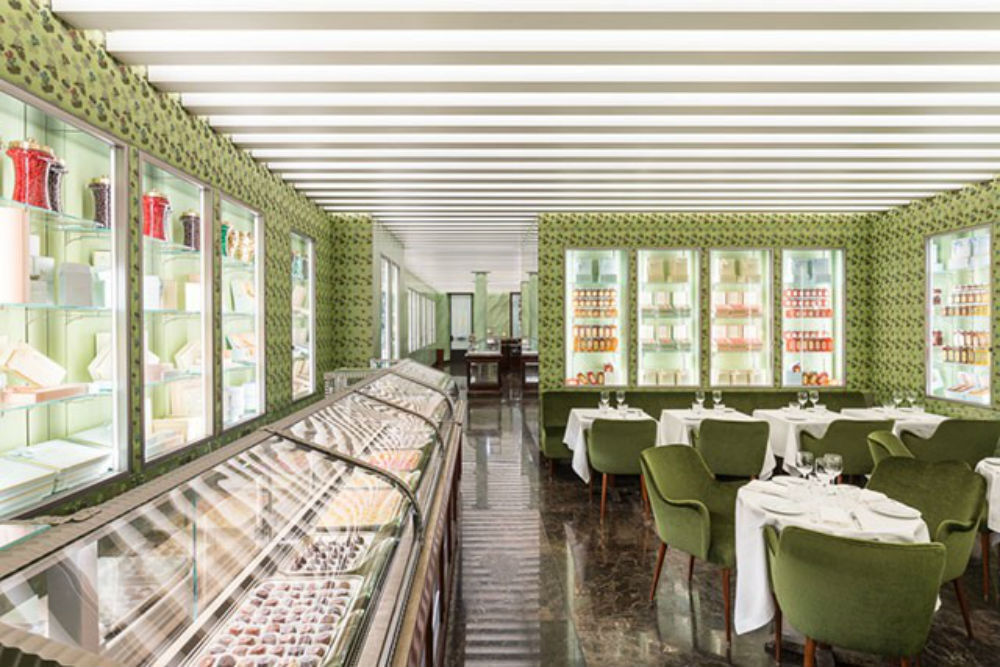
Pasticceria Marchesi at Via Montenapoleone, 9
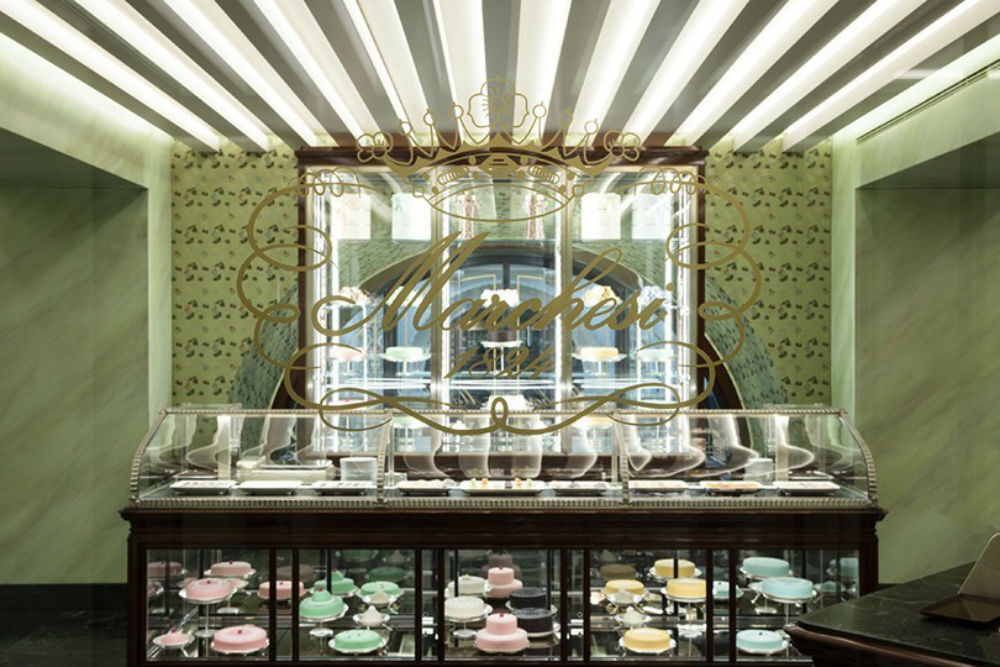
Marchesi 1824 display case in the Galleria Vittorio Emanuele II
For business analysts, the very fact of the trend towards the acquisition of "sweet" brands by the leading players of the fashion market seemed surprising. However, recently it is accepted that consumers around the world are gradually expanding their concept of "luxury", going beyond the usual goods towards the impressions, and food, along with travel, is a great way to get "high-quality" impressions.
As Yves Carcelle, former president of the French Louis Vuitton company, explained when commenting on LVMH's acquisition of Cova confectionery: "It is very important not only to open your own stores, but also to invest in the environment that surrounds them. For example, if we are talking about huge shopping malls that usually open in the Middle East, it is very important to provide customers with high-quality infrastructure for recreation, meetings with friends, etc. By negotiating with the owners of such shopping malls, LVMH can offer a common concept that includes fashion brands, well-known watch brands, cosmetics stores, and now cafes like Cova, which adds a certain class to the experience".
It is possible that this concept will continue to evolve, and Prada's buns will become a new fashion trend across the board, but some experts still hope for some sense in the pricing of glamorous cakes. Despite the fact that historical culinary brands such as Cova and Pasticceria Marchesi deserve investments from luxury brands, such investments should not lead to the "gilding" of confectionery, says the owner of the Eataly chain, Oscar Farinetti. According to him, everyone should have the luxury to taste something of high quality, and good food should be available to many people.
For business analysts, the very fact of the trend towards the acquisition of "sweet" brands by the leading players of the fashion market seemed surprising. However, recently it is accepted that consumers around the world are gradually expanding their concept of "luxury", going beyond the usual goods towards the impressions, and food, along with travel, is a great way to get "high-quality" impressions.
As Yves Carcelle, former president of the French Louis Vuitton company, explained when commenting on LVMH's acquisition of Cova confectionery: "It is very important not only to open your own stores, but also to invest in the environment that surrounds them. For example, if we are talking about huge shopping malls that usually open in the Middle East, it is very important to provide customers with high-quality infrastructure for recreation, meetings with friends, etc. By negotiating with the owners of such shopping malls, LVMH can offer a common concept that includes fashion brands, well-known watch brands, cosmetics stores, and now cafes like Cova, which adds a certain class to the experience".
It is possible that this concept will continue to evolve, and Prada's buns will become a new fashion trend across the board, but some experts still hope for some sense in the pricing of glamorous cakes. Despite the fact that historical culinary brands such as Cova and Pasticceria Marchesi deserve investments from luxury brands, such investments should not lead to the "gilding" of confectionery, says the owner of the Eataly chain, Oscar Farinetti. According to him, everyone should have the luxury to taste something of high quality, and good food should be available to many people.