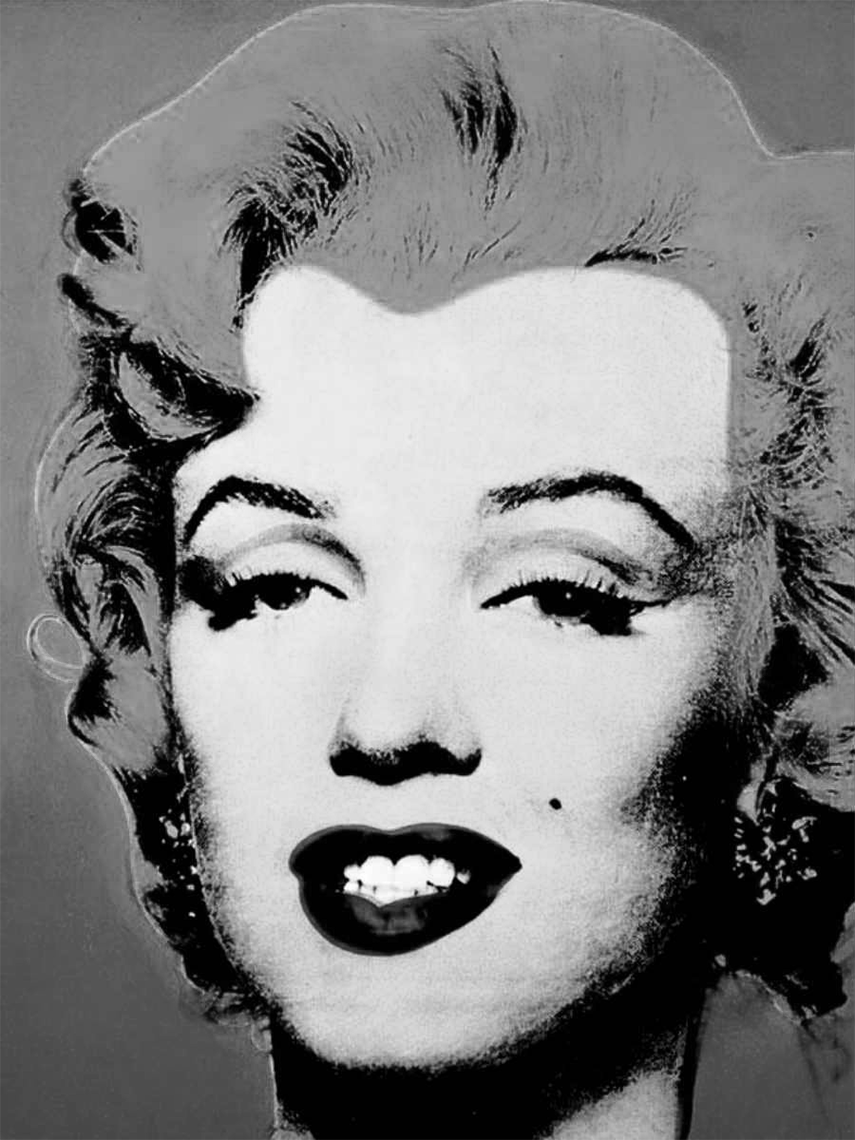
Marilyn Monroe, a global symbol of beauty and luxury, died on August 5, 1962. More than half a century later, she remains an icon of style and earns more than she ever did during her lifetime. The alluring gaze of the Hollywood diva can be seen on a wide range of products, from designer clothing to refrigerator magnets. Her name has become a multimillion-dollar brand, and her legacy has become a successful business that has enriched her heirs through her will.
According to Monroe's last will, excluding monetary payments to relatives and friends, the estate was bequeathed to her acting teacher, Lee Strasberg (75%), and her personal psychiatrist, Marianne Kris (25%). After Dr. Kris's death, her share was transferred to a charitable foundation in London. Strasberg's share was inherited by his second wife, Anna, in 1982, and placed under the management of CMG Worldwide, a company specializing in managing the estates of celebrities. Together, they created Marilyn Monroe LLC, which registered trade marks with Monroe's name and issued hundreds of licenses worldwide for their use, including to business giants such as Coca-Cola and Mercedes-Benz.
In 2011, a deal for the exclusive right to trade marks with Marilyn Monroe shook the advertising industry: the Canadian marketing firm ABG paid for the rights to them approximately 30 million dollars. Journalists discussed this investment as zealously as high-profile football transfers.
Subsequently, ABG established a new company, Estate of Marilyn Monroe LLC. The new owner of the Marilyn Monroe trade marks has achieved similar commercial success to its predecessor, actively pursuing legal action against infringers. Last year, the company filed a lawsuit against Fashion Central, a New York-based designer lingerie manufacturer, for violating its exclusive trade mark rights. The interest in this case is primarily due to the fact that the manufacturer does not use the name of the Hollywood star as a designation, but the image of the star, which is not even registered as a trade mark, according to the applicant, misleads consumers.
Since Marilyn's will was drafted in New York, it is subject to state laws that do not recognize the image of a deceased celebrity as an object of exclusive rights. In the state of New York (as well as in the UK and Russia), the appearance or image of a celebrity is considered an intangible asset, and the use of a celebrity's image requires the consent of their heirs. The right of heirs to protect the personal intangible rights of the deceased is inalienable. In this situation, in the absence of registration of Marilyn Monroe's image as a trade mark (in the USA, the Estate of Marilyn Monroe LLC owns only the rights to the verbal trade mark "Marilyn Monroe"), as well as in the absence of ABG's right to protect the image as an intangible good, the company's chances of success in this legal dispute seem questionable, from our point of view.
The registration of a deceased celebrity's appearance as a trade mark with the consent of the heirs is just the tip of the iceberg in the US marketing industry. Some states have specific regulations regarding this issue. There, unlike in the State of New York, the rights to "delebs" (dead celebrities) represent a real valuable asset.
Thus, the California Civil Code provides that the right to the name, signature and image of a deceased celebrity for the purpose of using it as a designation on goods or in advertising is an exclusive right of the heirs of the deceased celebrity and is valid for 70 years after her death. It is noteworthy that such a unique category of property rights, along with copyrights and patents, can be alienated, pledged, and licensed.
The specifics of this specific regulation can be explained by the economic value that Hollywood stars possess. Many of them have multimillion-dollar advertising contracts with major companies, and why should something as insignificant as death hinder the development of the entertainment industry? It is worth noting the active participation of former state governor Arnold Schwarzenegger in the adoption of amendments to the civil code, which extended the provisions on exclusive rights to images, including those of celebrities who died before 1985.
In the United States alone, the profits generated by the use of deceased celebrities' images are estimated at $2.3 billion, not including advertising revenue. Forbes magazine annually compiles a list of the richest deceased celebrities, which includes Michael Jackson, Elvis Presley, and even Albert Einstein.
With the development of technology, it has become commonplace to watch concerts by holograms of Michael Jackson and Tupac Shakur and to see a 3D model of a young Carrie Fisher as Princess Leia in the new Star Wars. Works no longer outlive their authors, or rather, the authors themselves become works — symbols, the rights to which may be of interest to both heirs and business.
According to Monroe's last will, excluding monetary payments to relatives and friends, the estate was bequeathed to her acting teacher, Lee Strasberg (75%), and her personal psychiatrist, Marianne Kris (25%). After Dr. Kris's death, her share was transferred to a charitable foundation in London. Strasberg's share was inherited by his second wife, Anna, in 1982, and placed under the management of CMG Worldwide, a company specializing in managing the estates of celebrities. Together, they created Marilyn Monroe LLC, which registered trade marks with Monroe's name and issued hundreds of licenses worldwide for their use, including to business giants such as Coca-Cola and Mercedes-Benz.
In 2011, a deal for the exclusive right to trade marks with Marilyn Monroe shook the advertising industry: the Canadian marketing firm ABG paid for the rights to them approximately 30 million dollars. Journalists discussed this investment as zealously as high-profile football transfers.
Subsequently, ABG established a new company, Estate of Marilyn Monroe LLC. The new owner of the Marilyn Monroe trade marks has achieved similar commercial success to its predecessor, actively pursuing legal action against infringers. Last year, the company filed a lawsuit against Fashion Central, a New York-based designer lingerie manufacturer, for violating its exclusive trade mark rights. The interest in this case is primarily due to the fact that the manufacturer does not use the name of the Hollywood star as a designation, but the image of the star, which is not even registered as a trade mark, according to the applicant, misleads consumers.
Since Marilyn's will was drafted in New York, it is subject to state laws that do not recognize the image of a deceased celebrity as an object of exclusive rights. In the state of New York (as well as in the UK and Russia), the appearance or image of a celebrity is considered an intangible asset, and the use of a celebrity's image requires the consent of their heirs. The right of heirs to protect the personal intangible rights of the deceased is inalienable. In this situation, in the absence of registration of Marilyn Monroe's image as a trade mark (in the USA, the Estate of Marilyn Monroe LLC owns only the rights to the verbal trade mark "Marilyn Monroe"), as well as in the absence of ABG's right to protect the image as an intangible good, the company's chances of success in this legal dispute seem questionable, from our point of view.
The registration of a deceased celebrity's appearance as a trade mark with the consent of the heirs is just the tip of the iceberg in the US marketing industry. Some states have specific regulations regarding this issue. There, unlike in the State of New York, the rights to "delebs" (dead celebrities) represent a real valuable asset.
Thus, the California Civil Code provides that the right to the name, signature and image of a deceased celebrity for the purpose of using it as a designation on goods or in advertising is an exclusive right of the heirs of the deceased celebrity and is valid for 70 years after her death. It is noteworthy that such a unique category of property rights, along with copyrights and patents, can be alienated, pledged, and licensed.
The specifics of this specific regulation can be explained by the economic value that Hollywood stars possess. Many of them have multimillion-dollar advertising contracts with major companies, and why should something as insignificant as death hinder the development of the entertainment industry? It is worth noting the active participation of former state governor Arnold Schwarzenegger in the adoption of amendments to the civil code, which extended the provisions on exclusive rights to images, including those of celebrities who died before 1985.
In the United States alone, the profits generated by the use of deceased celebrities' images are estimated at $2.3 billion, not including advertising revenue. Forbes magazine annually compiles a list of the richest deceased celebrities, which includes Michael Jackson, Elvis Presley, and even Albert Einstein.
With the development of technology, it has become commonplace to watch concerts by holograms of Michael Jackson and Tupac Shakur and to see a 3D model of a young Carrie Fisher as Princess Leia in the new Star Wars. Works no longer outlive their authors, or rather, the authors themselves become works — symbols, the rights to which may be of interest to both heirs and business.