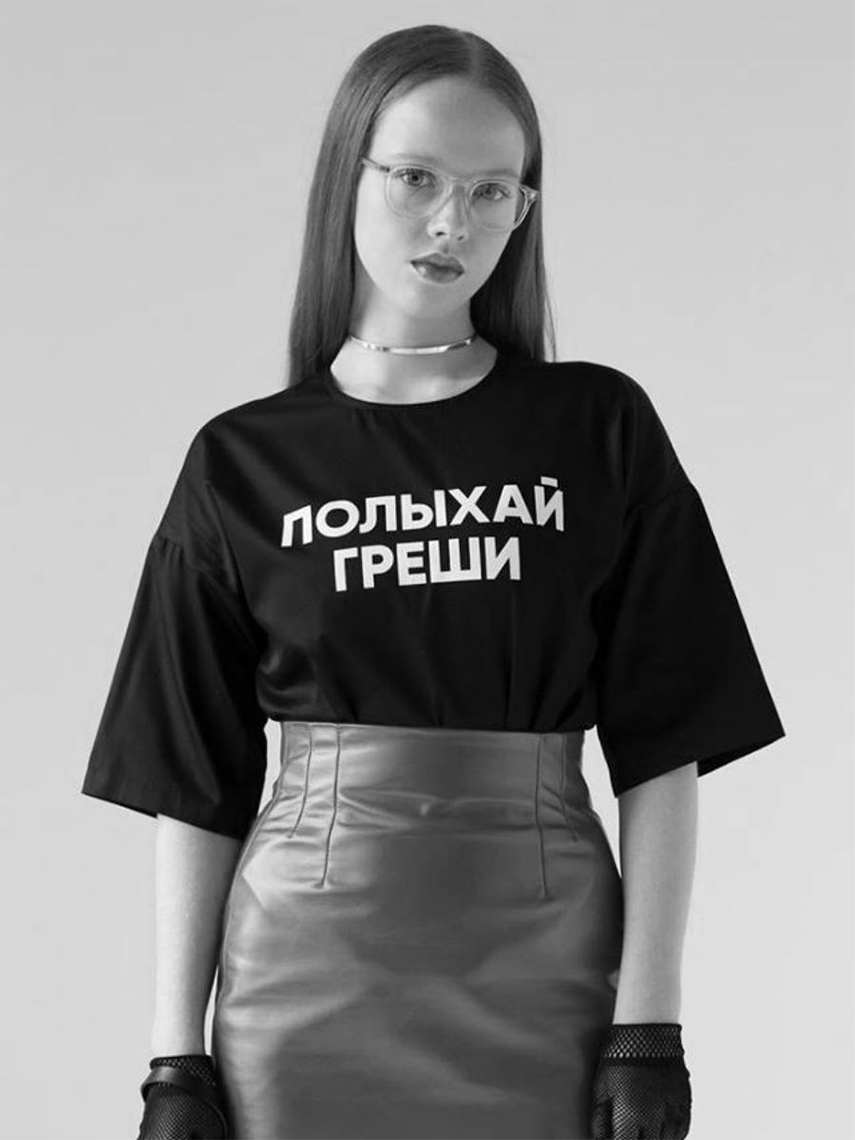
Recently, the Arbitration Court of St. Petersburg and the Leningrad Region (hereinafter referred to as the Court) issued a decision in the high-profile case of Asya Malbershtein. As a reminder, in April, a scandal erupted in St. Petersburg regarding the eponymous brand created by Anastasia Shvachko (alias "Asya Malbershtein"). According to the designer Anastasia Shvachko in an interview with Be-in.ru, Maria Slinkova carried out a "raider takeover" of the business by removing Anastasia from the founders of her company.
How Did It All Start?
The Asya Malbershtein brand was created by Anastasia Shvachko in 2008. By 2010, the demand for the products was so high that Anastasia decided to expand production and needed a partner. Through mutual friends, Anastasia met Maria Slinkova, who lent her a large sum of money and registered a sole proprietorship in her name.
In 2012, the decision was made to establish a legal entity in the form of a limited liability company, Asya Malbershtein LLC (hereinafter referred to as the company). At the same time, it was decided to divide the company's shares in half. Maria Slinkova was appointed as the general director and was responsible for organizational matters. Anastasia Shvachko chose to be the chief designer and continued to develop creative and design solutions for her brand.
A Rift in the Relationship
Three years later, in April 2017, Anastasia publicly stated that Maria Slinkova had taken her business through a "raider takeover." On April 3, 2017, a record was made in the Unified State Register of Legal Entities (hereinafter referred to as the USRLE) stating that Anastasia Shvachko's share was transferred to the company itself. As it became known from the court case materials, the designer's share was transferred to the company because it had not been paid for. In this case, the share was paid at its nominal value of 5,000 rubles.
"I am not ready to give away my business. I have my own lawyer and we will act within the law. We are writing letters and going to court".
— Anastasia emphasized in one of the interviews.
The Court Met the Designer Halfway
By the decision of July 14, 2017, the court satisfied all the claims of Anastasia Shvachko to the company and recognized her as a member of LLC Asya Malbershtein with a share in the authorized capital of 50%.
The initial claims were repeatedly changed. At first, the plaintiff asked the court to (i) declare the company's business activities as illegal as of April 3, 2017; and (ii) order the defendant to restore the company's position to its state before April 3, 2017. During the course of the case, the plaintiff changed its claims to more pragmatic ones: (i) to declare the decision of the sole shareholder as illegal; (ii) to recognize Shvachko Anastasia Petrovna as a shareholder of the company with a 50% stake; and (iii) to declare the relevant entry in the Unified State Register of Legal Entities as invalid. It was these claims that were granted by the court.
Evidence and the Burden of Proof
Despite the high-profile nature of the case and the allegations of blatant injustice, the main question was trivial: had Anastasia Shvachko paid the 5,000 RUB share in the authorized capital of her company when it was established in 2012? According to the Federal Law "On LLCs", each founder must pay their share no later than four months from the date of the company's state registration (Article 16, paragraph 3), otherwise, such a slow-moving founder who has not paid their share may be excluded (Article 23, subparagraph 3, paragraph 7).
As a general rule, the plaintiff who files a lawsuit in court must prove the circumstances they are referring to. This is known as the "burden of proof". Therefore, Anastasia was required to provide evidence of her contribution to the authorized capital. As a rule, such evidence includes primary accounting documents, such as a payment order for the payment of the authorized capital or a cash deposit order for the deposit of cash in the cash register. The court's decision does not indicate that such evidence was present in the case file.
However, the court rightfully reminded the defendant, citing the rules of accounting, that it is the company's responsibility to maintain proper accounting records. The participants' outstanding contributions to the authorized capital should be reflected separately in the company's balance sheet. However, in this case, such information was not present in the financial documents. On the contrary, the documents show that the company's authorized capital of 10,000 rubles has been fully formed since its establishment. However, from the company's creation in 2012 until March 2017, neither the company's general director nor the second shareholder (the same general director) raised the issue of the plaintiff's failure to pay the authorized capital contribution.
Based on this argument, the court considered that the burden of proving that the plaintiff had not paid the authorized capital should lie with the defendant (the company), and stated that the company had not provided such evidence.
Next Steps
The court's decision is expected to enter into force within 30 days of its issuance, unless the defendant decides to appeal it in a higher court. As of the date of this article, Anastasia Shvachko is not yet listed as a company shareholder in the Unified State Register of Legal Entities. It is highly likely that the famous designer will regain her rights and return her 50% stake in the company. What awaits her next?
Firstly, even after regaining her stake in the company, Anastasia will find herself in the company of her adversary, and unfortunately, a 50% stake alone will not give her full operational control over the company. All decisions in an LLC are made by at least a simple majority (>50%). This, for example, will not allow the designer to even change the CEO.
Secondly, since the company's most valuable asset is the Asya Malbershtein trade mark, the designer will need to make efforts to preserve it. At the very least, they should ensure that the trade mark has not been alienated, and that the CEO cannot dispose of it without the consent of all company members. This is because the company's charter likely does not restrict the CEO's ability to deal with intellectual property. If, however, attempts were made to transfer the trade mark to third parties during the dispute, Anastasia can challenge such a transaction, for example, as a transaction with a conflict of interest or under Articles 10 and 168 of the Civil Code of the Russian Federation.
Thirdly, by restoring her corporate rights, Anastasia will gain a powerful lever of influence: the right to claim damages from the general director in favor of the company for unreasonable and (or) unfair actions. This category of claims has become more common since the adoption of Resolution No. 62 by the Plenum of the Supreme Arbitration Court of the Russian Federation in 2013. The number of such lawsuits is growing, including in the courts of St. Petersburg, and the amount of damages claimed is reaching millions of rubles (read more here).
For our part, we hope that justice will be restored, and we will keep you updated on the latest developments in this trendy case.
How Did It All Start?
The Asya Malbershtein brand was created by Anastasia Shvachko in 2008. By 2010, the demand for the products was so high that Anastasia decided to expand production and needed a partner. Through mutual friends, Anastasia met Maria Slinkova, who lent her a large sum of money and registered a sole proprietorship in her name.
In 2012, the decision was made to establish a legal entity in the form of a limited liability company, Asya Malbershtein LLC (hereinafter referred to as the company). At the same time, it was decided to divide the company's shares in half. Maria Slinkova was appointed as the general director and was responsible for organizational matters. Anastasia Shvachko chose to be the chief designer and continued to develop creative and design solutions for her brand.
A Rift in the Relationship
Three years later, in April 2017, Anastasia publicly stated that Maria Slinkova had taken her business through a "raider takeover." On April 3, 2017, a record was made in the Unified State Register of Legal Entities (hereinafter referred to as the USRLE) stating that Anastasia Shvachko's share was transferred to the company itself. As it became known from the court case materials, the designer's share was transferred to the company because it had not been paid for. In this case, the share was paid at its nominal value of 5,000 rubles.
"I am not ready to give away my business. I have my own lawyer and we will act within the law. We are writing letters and going to court".
— Anastasia emphasized in one of the interviews.
The Court Met the Designer Halfway
By the decision of July 14, 2017, the court satisfied all the claims of Anastasia Shvachko to the company and recognized her as a member of LLC Asya Malbershtein with a share in the authorized capital of 50%.
The initial claims were repeatedly changed. At first, the plaintiff asked the court to (i) declare the company's business activities as illegal as of April 3, 2017; and (ii) order the defendant to restore the company's position to its state before April 3, 2017. During the course of the case, the plaintiff changed its claims to more pragmatic ones: (i) to declare the decision of the sole shareholder as illegal; (ii) to recognize Shvachko Anastasia Petrovna as a shareholder of the company with a 50% stake; and (iii) to declare the relevant entry in the Unified State Register of Legal Entities as invalid. It was these claims that were granted by the court.
Evidence and the Burden of Proof
Despite the high-profile nature of the case and the allegations of blatant injustice, the main question was trivial: had Anastasia Shvachko paid the 5,000 RUB share in the authorized capital of her company when it was established in 2012? According to the Federal Law "On LLCs", each founder must pay their share no later than four months from the date of the company's state registration (Article 16, paragraph 3), otherwise, such a slow-moving founder who has not paid their share may be excluded (Article 23, subparagraph 3, paragraph 7).
As a general rule, the plaintiff who files a lawsuit in court must prove the circumstances they are referring to. This is known as the "burden of proof". Therefore, Anastasia was required to provide evidence of her contribution to the authorized capital. As a rule, such evidence includes primary accounting documents, such as a payment order for the payment of the authorized capital or a cash deposit order for the deposit of cash in the cash register. The court's decision does not indicate that such evidence was present in the case file.
However, the court rightfully reminded the defendant, citing the rules of accounting, that it is the company's responsibility to maintain proper accounting records. The participants' outstanding contributions to the authorized capital should be reflected separately in the company's balance sheet. However, in this case, such information was not present in the financial documents. On the contrary, the documents show that the company's authorized capital of 10,000 rubles has been fully formed since its establishment. However, from the company's creation in 2012 until March 2017, neither the company's general director nor the second shareholder (the same general director) raised the issue of the plaintiff's failure to pay the authorized capital contribution.
Based on this argument, the court considered that the burden of proving that the plaintiff had not paid the authorized capital should lie with the defendant (the company), and stated that the company had not provided such evidence.
Next Steps
The court's decision is expected to enter into force within 30 days of its issuance, unless the defendant decides to appeal it in a higher court. As of the date of this article, Anastasia Shvachko is not yet listed as a company shareholder in the Unified State Register of Legal Entities. It is highly likely that the famous designer will regain her rights and return her 50% stake in the company. What awaits her next?
Firstly, even after regaining her stake in the company, Anastasia will find herself in the company of her adversary, and unfortunately, a 50% stake alone will not give her full operational control over the company. All decisions in an LLC are made by at least a simple majority (>50%). This, for example, will not allow the designer to even change the CEO.
Secondly, since the company's most valuable asset is the Asya Malbershtein trade mark, the designer will need to make efforts to preserve it. At the very least, they should ensure that the trade mark has not been alienated, and that the CEO cannot dispose of it without the consent of all company members. This is because the company's charter likely does not restrict the CEO's ability to deal with intellectual property. If, however, attempts were made to transfer the trade mark to third parties during the dispute, Anastasia can challenge such a transaction, for example, as a transaction with a conflict of interest or under Articles 10 and 168 of the Civil Code of the Russian Federation.
Thirdly, by restoring her corporate rights, Anastasia will gain a powerful lever of influence: the right to claim damages from the general director in favor of the company for unreasonable and (or) unfair actions. This category of claims has become more common since the adoption of Resolution No. 62 by the Plenum of the Supreme Arbitration Court of the Russian Federation in 2013. The number of such lawsuits is growing, including in the courts of St. Petersburg, and the amount of damages claimed is reaching millions of rubles (read more here).
For our part, we hope that justice will be restored, and we will keep you updated on the latest developments in this trendy case.